

 vs
vs

The Plytix alternative with photography and reconciliation built in
Plytix syncs to Shopify one way, and its AI edits existing images rather than generating new product photography. Automated Commerce syncs Shopify both ways including metafields, generates product photography and 3D, and reconciles drift after publishing. Plytix remains a strong fit for small teams that want a free plan and broad feed and marketplace coverage.
Updated
Plytix pricing
Plytix is the most transparent of the established PIMs. It publishes its plans and add-ons in full, including a plan that costs nothing to start.
- Standard$0/month
- Up to 500 SKUs, unlimited users, 500 AI credits a month, basic PIM and DAM with 50 GB of storage, manual imports, and CSV and XLSX exports.
- Pro$499/month
- Up to 50,000 SKUs, advanced PIM and DAM with 750 GB of storage, product families, scheduled imports, advanced permissions, webhooks, and a Customer Success Manager.
- EnterpriseCustom
- Unlimited SKUs, SSO, multi-account support, a 90-day changelog, and custom storage and API limits.
Costs outside the Plytix plan price
- Product feeds and templates: $300 a month.
- Brand Portals: $300 a month. Product Data Sheets: $200 a month.
- Extra AI credits: $10 per 1,000 a month; overages are charged at double the rate.
- Optional onboarding: $3,000 one-time for guided onboarding, or custom-priced managed onboarding.
- The Plytix app on the Shopify App Store lists its own plans, including $149 a month for 10,000 SKUs.
Automated Commerce pricing
Pro €825/month, Scale €1,295/month, Enterprise from €2,499/month. Annual billing saves 15%. There is a 14-day free trial and no implementation fee.
See all plansPlytix figures read from Plytix's pricing page on 15 September 2026. Published pricing moves, so check the source for the current position.
Automated Commerce vs Plytix: features compared
Capabilities as each vendor documents them, reviewed 15 September 2026.
Two-way Shopify sync, including metafields
- Automated Commerce
- Plytix
- One-way, no reference metafields
AI product photography generation
- Automated Commerce
- Plytix
- Edits existing images
3D product models
- Automated Commerce
- Plytix
Detects and reconciles edits made in a channel
- Automated Commerce
- Plytix
- Not documented
Product feeds included in the plan
- Automated Commerce
- Plytix
- $300/month add-on
AI product descriptions
- Automated Commerce
- Plytix
AI translation
- Automated Commerce
- Plytix
Free trial
- Automated Commerce
- Plytix
- Free plan instead
Free plan
- Automated Commerce
- Supplier collaboration only
- Plytix
- Up to 500 SKUs
Marketplace and feed connectors
- Automated Commerce
- Shopify, Bol, Etsy, Magento, feeds
- Plytix
- Dozens, incl. Amazon, eBay, Zalando
SKUs on the paid entry plan
- Automated Commerce
- 5,000 for €825/month
- Plytix
- 50,000 for $499/month
| Capability | Automated Commerce | Plytix |
|---|---|---|
| Two-way Shopify sync, including metafields | One-way, no reference metafields | |
| AI product photography generation | Edits existing images | |
| 3D product models | ||
| Detects and reconciles edits made in a channel | Not documented | |
| Product feeds included in the plan | $300/month add-on | |
| AI product descriptions | ||
| AI translation | ||
| Free trial | Free plan instead | |
| Free plan | Supplier collaboration only | Up to 500 SKUs |
| Marketplace and feed connectors | Shopify, Bol, Etsy, Magento, feeds | Dozens, incl. Amazon, eBay, Zalando |
| SKUs on the paid entry plan | 5,000 for €825/month | 50,000 for $499/month |
Automated Commerce or Plytix: which fits your team?
Choose Automated Commerce if
- You sell mainly on Shopify and want edits made in Shopify synced back, not overwritten by a one-way push.
- You need new product photography and 3D generated, not only existing images edited.
- You want drift in your channels detected and reconciled after publishing.
- You want feeds, content, and media in the plan price, without monthly add-ons.
- Producing content for a large catalog is the bottleneck for a lean team.
Choose Plytix if
- You want to start free: Plytix's Standard plan covers up to 500 SKUs at $0.
- You need a lot of SKUs for a low price: Pro covers 50,000 SKUs for $499 a month.
- You publish to many marketplaces and feed tools, such as Amazon, eBay, Zalando, or Channable.
- Your photography already exists and you mainly need to organize, resize, and clean it up.
Switching from Plytix
Export, import, and publish, on your own timeline.
From a Plytix export to a live product
The supplier packshot goes in, Automated Commerce writes the copy, the SEO, and four languages, and the product goes live. Once your catalog is imported from Plytix, every other product takes the same path.
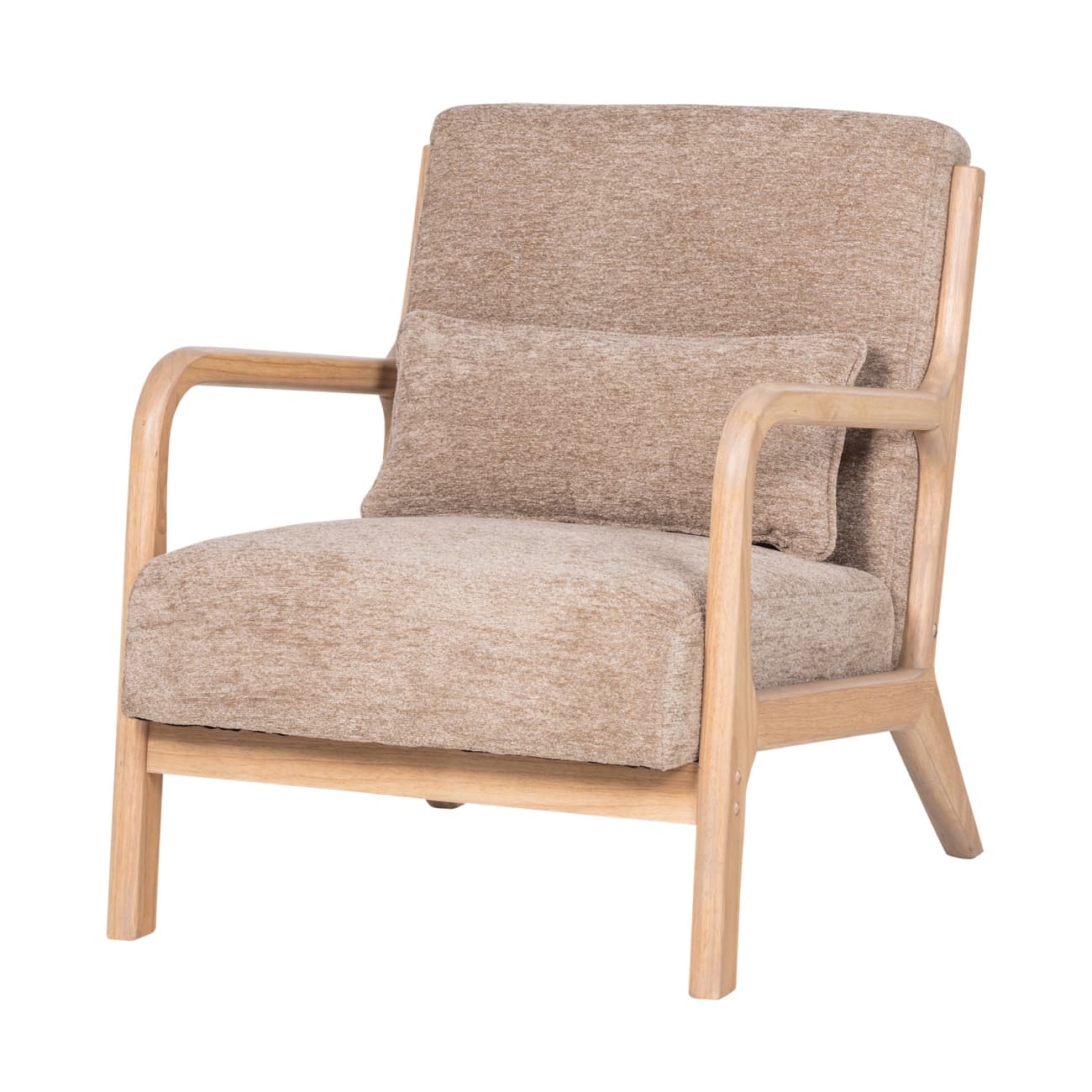
Mark – Relax fauteuil
Stylish design, soft chenille, wooden frame.
 Live
LiveMark – Relax fauteuil
Stylish design, soft chenille, wooden frame.
Other Plytix alternatives
Automated Commerce is not the only option. These are the other platforms teams weigh against Plytix, and who each one is built for.


Akeneo
Complex, multi-locale product data
Entry price: Growth from $0/year (trial)
Akeneo alternative

Salsify
Enterprise brands syndicating to many retailers
Entry price: not published
Salsify alternative

inRiver
Manufacturers with complex B2B product data
Entry price: not published
inRiver alternative

Pimberly
Enterprise PIM with a built-in DAM
Entry price: $36,000/year
Pimberly alternative

Jasper PIM
Product data pushed to a few sales channels
Entry price: $999/month
Jasper PIM alternative

SKULaunch
Supplier data onboarding and enrichment
Entry price: £999/month plus £999-£4,999 setup
SKULaunch alternativePlytix alternatives: common questions
Part of one platform
Built Shopify-first. Explore the foundation and pricing.
Im Einsatz bei Händlern
So skalieren Unternehmen wie Ihres mit Automated Commerce schlauer


Gute Tools wie dieses sorgen dafür, dass die Leute auch wirklich damit arbeiten wollen. Die Mitarbeiter sind begeistert und wir erzielen tatsächlich Ergebnisse. Sehr zufrieden mit der Zusammenarbeit.

Jos de Smit
CCO und Inhaber, De Eekhoorn


Automated Commerce ermöglichte es uns, unseren Shop wachsen zu lassen und gleichzeitig unser Team zu verkleinern. Wir produzieren jetzt besseren Content, konsistenter und in einem Bruchteil der Zeit.

Tanja Breukers
Gründerin, Le Marais


Die AI Studio-Funktion allein ist das Abonnement wert. Wir haben professionelle Produktbilder erstellt, ohne Fotografen oder Designer zu beauftragen.
Xavier Smeets
CEO, PL Line


Wir wurden unglaublich gut von dem Team betreut, alles wurde schnell und ordentlich eingerichtet. Durch die Plattform haben wir enorm viel Zeit und Kosten gespart!
Carolien Schins
Inhaberin, Schins Atelier


Mit Automated Commerce erstellen wir hochwertige Modefotografie und steigern mühelos unseren Traffic, indem wir Produktdaten in großen Mengen mit ihrem KI-Agenten verbessern.
Rijk Groeneveld
Gründer, Son of John


Ich nutze Automated Commerce vor allem zum Erstellen und Verwalten meiner Produktlistings, und das hat den gesamten Prozess für mich deutlich einfacher gemacht. Am besten gefällt mir, dass ich Produkte und Bilder in großen Mengen bearbeiten kann, anstatt jedes Listing einzeln durchzugehen. Das spart mir viel Zeit, besonders wenn ich Titel, Beschreibungen, Preise oder Produktfotos für mehrere Artikel aktualisieren muss.
H. Eleveld
Gründer, Luvre Fashion


Diese App ist ein echter Gamechanger! Ich kann jetzt ganz einfach meine Produktbilder erstellen, während ich remote arbeite. Der Service ist hervorragend und das Team ist unglaublich hilfsbereit und reaktionsschnell. Sehr zu empfehlen!
J. Elia
Gründer, Old Threads


Wir haben mit Automated Commerce angefangen, um Übersetzungen und Produkte einfacher zu verwalten, aber die App bietet noch viel mehr. Eigene Agenten für Marktplätze zum Beispiel. Das Team ist wirklich hilfsbereit und antwortet schnell auf alle Fragen.

Nol Oosterom
Head of Ecommerce, DOUXE
See it on your own catalog
Connect your store and watch Automated Commerce import, enrich, and ready your products in hours.
No integrator. Live in hours.