

 vs
vs

The Plytix alternative with photography and reconciliation built in
Plytix syncs to Shopify one way, and its AI edits existing images rather than generating new product photography. Automated Commerce syncs Shopify both ways including metafields, generates product photography and 3D, and reconciles drift after publishing. Plytix remains a strong fit for small teams that want a free plan and broad feed and marketplace coverage.
Updated
Plytix pricing
Plytix is the most transparent of the established PIMs. It publishes its plans and add-ons in full, including a plan that costs nothing to start.
| Plytix plan | Price | What it includes |
|---|---|---|
| Standard | $0/month | Up to 500 SKUs, unlimited users, 500 AI credits a month, basic PIM and DAM with 50 GB of storage, manual imports, and CSV and XLSX exports. |
| Pro | $499/month | Up to 50,000 SKUs, advanced PIM and DAM with 750 GB of storage, product families, scheduled imports, advanced permissions, webhooks, and a Customer Success Manager. |
| Enterprise | Custom | Unlimited SKUs, SSO, multi-account support, a 90-day changelog, and custom storage and API limits. |
Costs outside the Plytix plan price
- Product feeds and templates: $300 a month.
- Brand Portals: $300 a month. Product Data Sheets: $200 a month.
- Extra AI credits: $10 per 1,000 a month; overages are charged at double the rate.
- Optional onboarding: $3,000 one-time for guided onboarding, or custom-priced managed onboarding.
- The Plytix app on the Shopify App Store lists its own plans, including $149 a month for 10,000 SKUs.
Automated Commerce pricing
Pro €825/month, Scale €1,295/month, Enterprise from €2,499/month. Annual billing saves 15%. There is a 14-day free trial and no implementation fee.
See all plansPlytix figures read from Plytix's pricing page on 15 September 2026. Published pricing moves, so check the source for the current position.
Automated Commerce vs Plytix: features compared
Capabilities as each vendor documents them, reviewed 15 September 2026.
| Capability | Automated Commerce | Plytix |
|---|---|---|
| Two-way Shopify sync, including metafields | One-way, no reference metafields | |
| AI product photography generation | Edits existing images | |
| 3D product models | ||
| Detects and reconciles edits made in a channel | Not documented | |
| Product feeds included in the plan | $300/month add-on | |
| AI product descriptions | ||
| AI translation | ||
| Free trial | Free plan instead | |
| Free plan | Supplier collaboration only | Up to 500 SKUs |
| Marketplace and feed connectors | Shopify, Bol, Etsy, Magento, feeds | Dozens, incl. Amazon, eBay, Zalando |
| SKUs on the paid entry plan | 5,000 for €825/month | 50,000 for $499/month |
Automated Commerce or Plytix: which fits your team?
Choose Automated Commerce if
- You sell mainly on Shopify and want edits made in Shopify synced back, not overwritten by a one-way push.
- You need new product photography and 3D generated, not only existing images edited.
- You want drift in your channels detected and reconciled after publishing.
- You want feeds, content, and media in the plan price, without monthly add-ons.
- Producing content for a large catalog is the bottleneck for a lean team.
Choose Plytix if
- You want to start free: Plytix's Standard plan covers up to 500 SKUs at $0.
- You need a lot of SKUs for a low price: Pro covers 50,000 SKUs for $499 a month.
- You publish to many marketplaces and feed tools, such as Amazon, eBay, Zalando, or Channable.
- Your photography already exists and you mainly need to organize, resize, and clean it up.
Switching from Plytix
Export, import, and publish, on your own timeline.
From a Plytix export to a live product
The supplier packshot goes in, Automated Commerce writes the copy, the SEO, and four languages, and the product goes live. Once your catalog is imported from Plytix, every other product takes the same path.
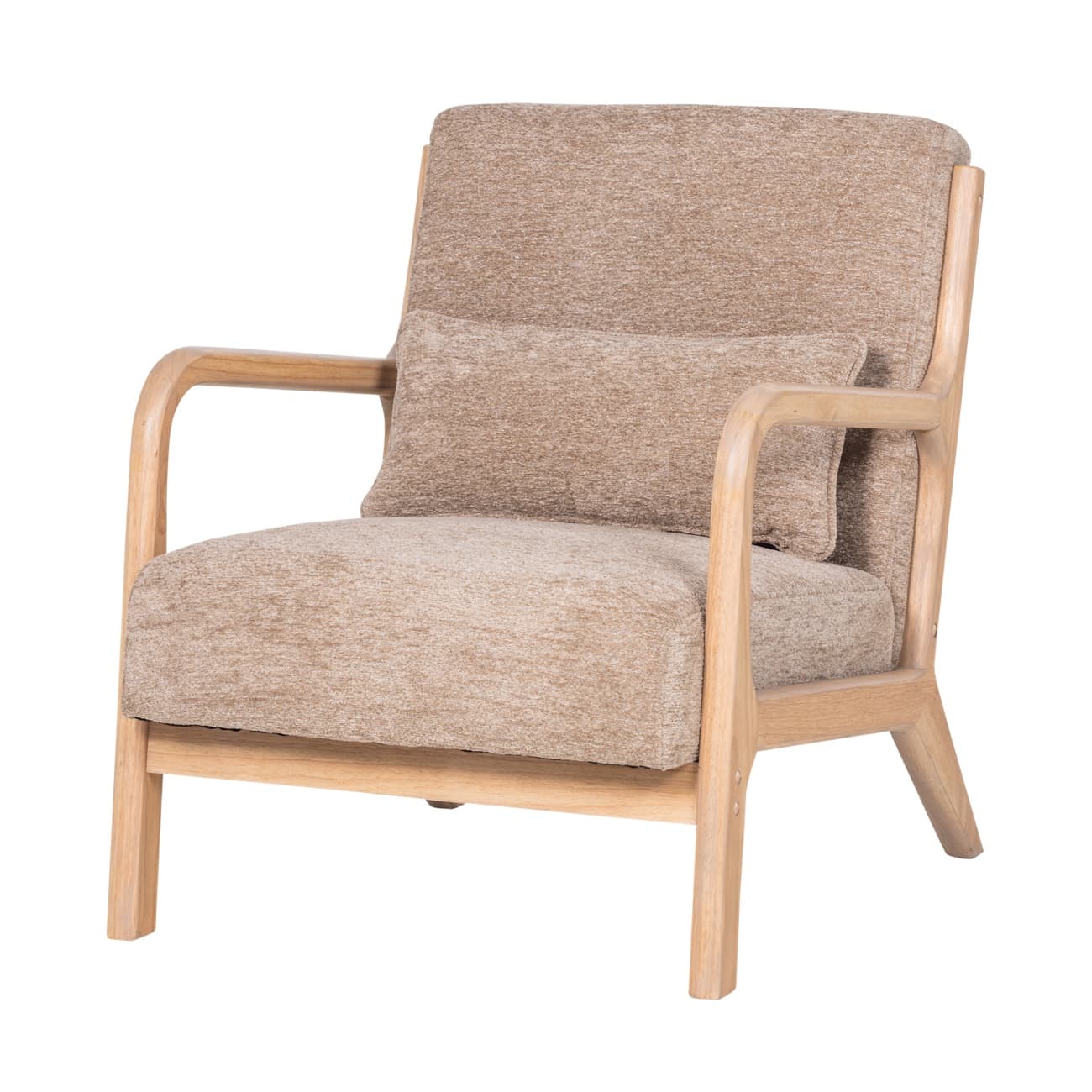
Mark – Relax fauteuil
Stylish design, soft chenille, wooden frame.
 Live
LiveMark – Relax fauteuil
Stylish design, soft chenille, wooden frame.
Other Plytix alternatives
Automated Commerce is not the only option. These are the other platforms teams weigh against Plytix, and who each one is built for.


Akeneo
Complex, multi-locale product data
Entry price: Growth from $0/year (trial)
Akeneo alternative

Salsify
Enterprise brands syndicating to many retailers
Entry price: not published
Salsify alternative

inRiver
Manufacturers with complex B2B product data
Entry price: not published
inRiver alternative

Pimberly
Enterprise PIM with a built-in DAM
Entry price: $36,000/year
Pimberly alternative

Jasper PIM
Product data pushed to a few sales channels
Entry price: $999/month
Jasper PIM alternative

SKULaunch
Supplier data onboarding and enrichment
Entry price: £999/month plus £999-£4,999 setup
SKULaunch alternativePlytix alternatives: common questions
Part of one platform
Built Shopify-first. Explore the foundation and pricing.
Vertrouwd door retailers
Zo schalen bedrijven als dat van jou hun catalogus met Automated Commerce.


Goede tools zoals deze zorgen ervoor dat mensen er ook echt mee willen werken. Medewerkers zijn enthousiast en we halen daadwerkelijk resultaat binnen. Erg blij met de samenwerking.

Jos de Smit
CCO en eigenaar, De Eekhoorn


Dankzij Automated Commerce konden we onze winkel laten groeien en tegelijkertijd ons team verkleinen. We produceren nu betere content, consistenter, in een fractie van de tijd.

Tanja Breukers
Oprichter, Le Marais


Alleen al de AI Studio is het abonnement waard. We maken nu professionele productfoto’s zonder fotografen of designers in te huren.
Xavier Smeets
CEO, PL Line


We zijn onwijs goed geholpen door de heren, alles snel en goed klaargezet. Door middel van het platform enorm veel tijd en kosten bespaard!
Carolien Schins
Eigenaar, Schins Atelier


Met Automated Commerce genereren we hoogwaardige modefotografie en verbeteren we eenvoudig ons verkeer door productdata in bulk te verbeteren met hun AI-agent.
Rijk Groeneveld
Oprichter, Son of John


Ik gebruik Automated Commerce vooral voor het maken en beheren van mijn productlijsten, en dat heeft het hele proces voor mij een stuk makkelijker gemaakt. Wat ik het fijnst vind, is dat ik producten en afbeeldingen in bulk kan bewerken, in plaats van elke listing één voor één langs te gaan. Dit bespaart me veel tijd, vooral wanneer ik titels, beschrijvingen, prijzen of productfoto's voor meerdere items tegelijk moet bijwerken.
H. Eleveld
Oprichter, Luvre Fashion


Deze app is een complete gamechanger! Ik kan nu eenvoudig mijn productafbeeldingen genereren terwijl ik op afstand werk. De service is uitstekend en het team is ongelooflijk behulpzaam en snel. Echt een aanrader!
J. Elia
Oprichter, Old Threads


We zijn met Automated Commerce begonnen om vertalingen en producten makkelijker te beheren, maar de app heeft zoveel meer te bieden. Aparte agents voor marketplaces bijvoorbeeld. Het team is echt behulpzaam en reageert snel op al onze vragen.

Nol Oosterom
Head of Ecommerce, DOUXE
See it on your own catalog
Connect your store and watch Automated Commerce import, enrich, and ready your products in hours.
No integrator. Live in hours.