

 vs
vs

The Akeneo alternative built Shopify-first, priced in the open
Akeneo quotes its paid editions, and its own Shopify app sends data one way. Automated Commerce is built Shopify-first: two-way sync with metafields, AI copy, product photography, and drift reconciliation, at a price published on the site. Akeneo remains a strong fit for large teams with complex, multi-locale data and the developers to run it.
Updated
Akeneo pricing
Akeneo sells three cloud editions and one free, self-hosted edition. Only the entry cloud tier shows a figure, and that figure opens a free trial rather than a list price.
| Akeneo plan | Price | What it includes |
|---|---|---|
| Community Edition | Free (open source) | Self-hosted only, on Linux with PHP, MySQL, and Elasticsearch. Code on GitHub. Most Asset Manager functions are reserved for the paid editions. |
| Growth | Starting at $0 annually (free trial) | Cloud edition with one activation channel, AI description generation and asset extraction, the Data Architect Agent, and the Ask Ziggy assistant. Attribute inheritance and asset history are limited. |
| Advanced | On request | Adds collaboration workflows, advanced rights management, channel-ready data governance, and the Agentic Ziggy AI workspace. |
| Premium | On request | Adds PX Insights for one data source, enterprise governance, a strategic customer success manager, and 24/7 support. |
Costs outside the Akeneo plan price
- Supplier Data Manager, for collecting product data from suppliers, is listed as an add-on.
- The Akeneo App for Shopify is quote-based.
- Community Edition is free, but hosting, upgrades, and maintenance run on your own infrastructure and team.
Automated Commerce pricing
Pro €825/month, Scale €1,295/month, Enterprise from €2,499/month. Annual billing saves 15%. There is a 14-day free trial and no implementation fee.
See all plansAkeneo figures read from Akeneo's package comparison on 15 September 2026. Published pricing moves, so check the source for the current position.
Automated Commerce vs Akeneo: features compared
Capabilities as each vendor documents them, reviewed 15 September 2026.
| Capability | Automated Commerce | Akeneo |
|---|---|---|
| Price published for every plan | Growth only | |
| Two-way Shopify sync, including metafields | One-way app, quote-based | |
| AI product photography generation | ||
| 3D product models | ||
| Detects and reconciles edits made in a channel | Not documented | |
| Supplier data collection | CSV, Excel, and PDF import | Paid add-on |
| AI product descriptions | ||
| AI translation and localization | ||
| Free trial | ||
| Sales channels | Shopify, Bol, Etsy, Magento, feeds | 500+ via Activation |
| Enterprise governance and approval workflows | Team roles | Advanced and Premium |
| Free, self-hosted open-source edition |
Automated Commerce or Akeneo: which fits your team?
Choose Automated Commerce if
- You sell mainly on Shopify and want products, variants, and metafields synced both ways, not pushed one way.
- Producing the catalog is the bottleneck: descriptions, product photography, 3D, and translations, made in one place.
- Listings have to stay right after publishing, with edits made in a channel detected and reconciled.
- You want a published monthly price and a free trial, without a quote process or an implementation fee.
- A lean team runs a large catalog, without developers to host or maintain a PIM.
Choose Akeneo if
- You syndicate to a long list of retailers and marketplaces: Akeneo Activation lists more than 500 channels, including Amazon, Walmart, Target, and Zalando.
- Your data model is genuinely complex, with many locales, deep attribute inheritance, and governance workflows across several teams.
- You want an open-source PIM you host and customize yourself, and have the developers to run it.
- You sell on a platform Automated Commerce has no connector for, such as BigCommerce.
Switching from Akeneo
Export, import, and publish, on your own timeline.
From a Akeneo export to a live product
The supplier packshot goes in, Automated Commerce writes the copy, the SEO, and four languages, and the product goes live. Once your catalog is imported from Akeneo, every other product takes the same path.
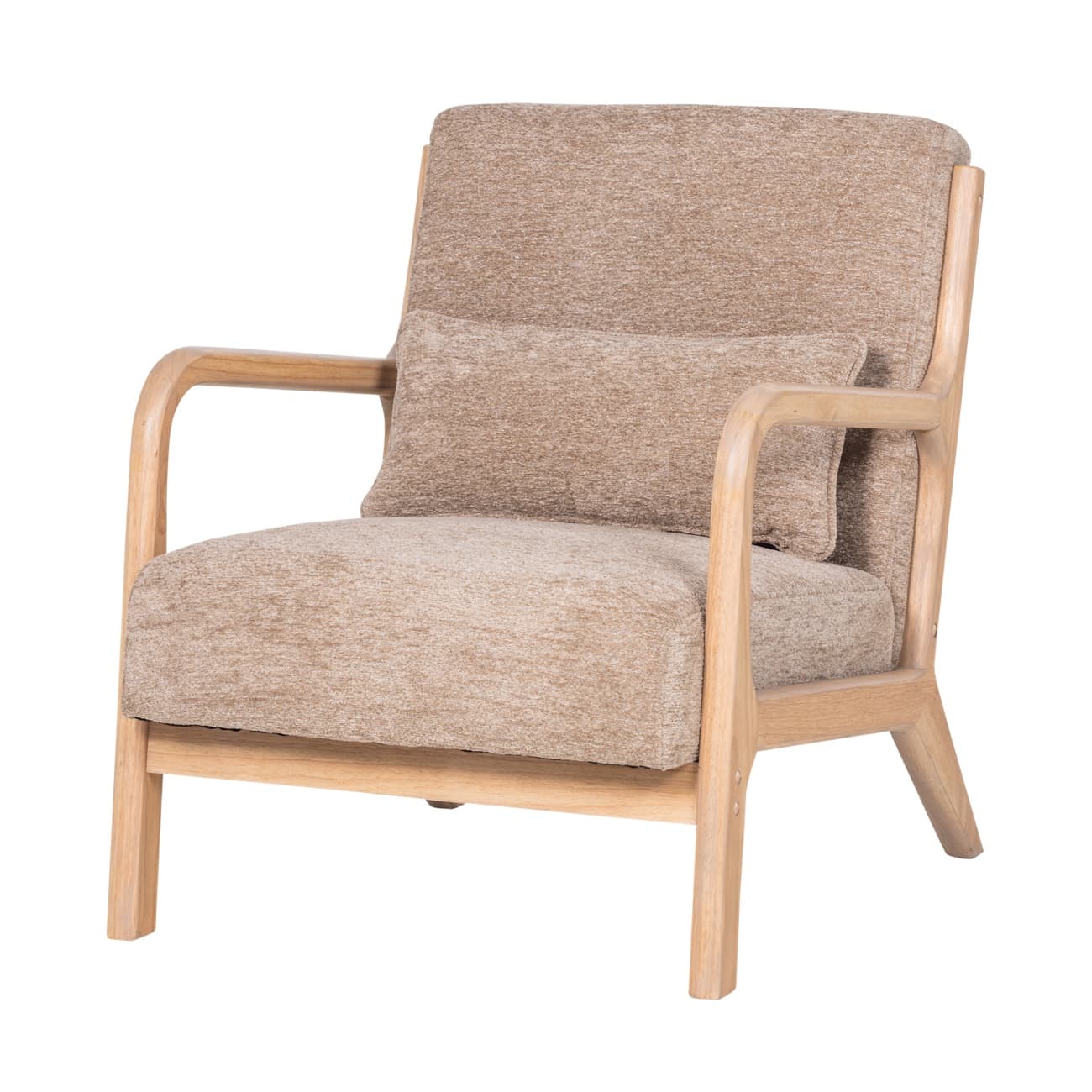
Mark – Relax fauteuil
Stylish design, soft chenille, wooden frame.
 Live
LiveMark – Relax fauteuil
Stylish design, soft chenille, wooden frame.
Other Akeneo alternatives
Automated Commerce is not the only option. These are the other platforms teams weigh against Akeneo, and who each one is built for.


Salsify
Enterprise brands syndicating to many retailers
Entry price: not published
Salsify alternative

Plytix
Growing teams selling across many channels
Entry price: $0/month up to 500 SKUs
Plytix alternative

inRiver
Manufacturers with complex B2B product data
Entry price: not published
inRiver alternative

Pimberly
Enterprise PIM with a built-in DAM
Entry price: $36,000/year
Pimberly alternative

Jasper PIM
Product data pushed to a few sales channels
Entry price: $999/month
Jasper PIM alternative

SKULaunch
Supplier data onboarding and enrichment
Entry price: £999/month plus £999-£4,999 setup
SKULaunch alternativeAkeneo alternatives: common questions
Part of one platform
Built Shopify-first. Explore the foundation and pricing.
Trusted by Retailers
See how businesses like yours are scaling smarter with Automated Commerce


Great tools like this make people actually want to work with it. Employees are enthusiastic and we are getting actual results in. Very happy with the cooperation.

Jos de Smit
CCO and owner, De Eekhoorn


Automated Commerce allowed us to grow our store while actually reducing our team size. We're now producing better content, more consistently, in a fraction of the time.

Tanja Breukers
Founder, Le Marais


The AI Studio feature alone is worth the subscription. We've created professional product images without hiring photographers or designers.
Xavier Smeets
CEO, PL Line


We were incredibly well helped by the team, everything was set up quickly and properly. Through the platform we've saved an enormous amount of time and costs!
Carolien Schins
Owner, Schins Atelier


Automated Commerce allows us to generate high-quality fashion photography and easily improve traffic by improving product data in bulk using their AI agent.
Rijk Groeneveld
Founder, Son of John


I use Automated Commerce mainly for creating and managing my product listings, and it has made the whole process a lot easier for me. What I like most is that I can edit products and images in bulk, instead of having to go through every listing one by one. This saves me a lot of time, especially when I need to update titles, descriptions, prices, or product photos across multiple items.
H. Eleveld
Founder, Luvre Fashion


This app is a total game-changer! I can now generate my product images easily while working remotely. The service is excellent, and the team is incredibly helpful and responsive. Highly recommend!
J. Elia
Founder, Old Threads


We started with Automated Commerce to make managing translations and products easier but the app has so much more to offer. Dedicated agents for Marketplaces for example. The team is really helpful and responds quickly to any questions.

Nol Oosterom
Head of Ecommerce, DOUXE
See it on your own catalog
Connect your store and watch Automated Commerce import, enrich, and ready your products in hours.
No integrator. Live in hours.